
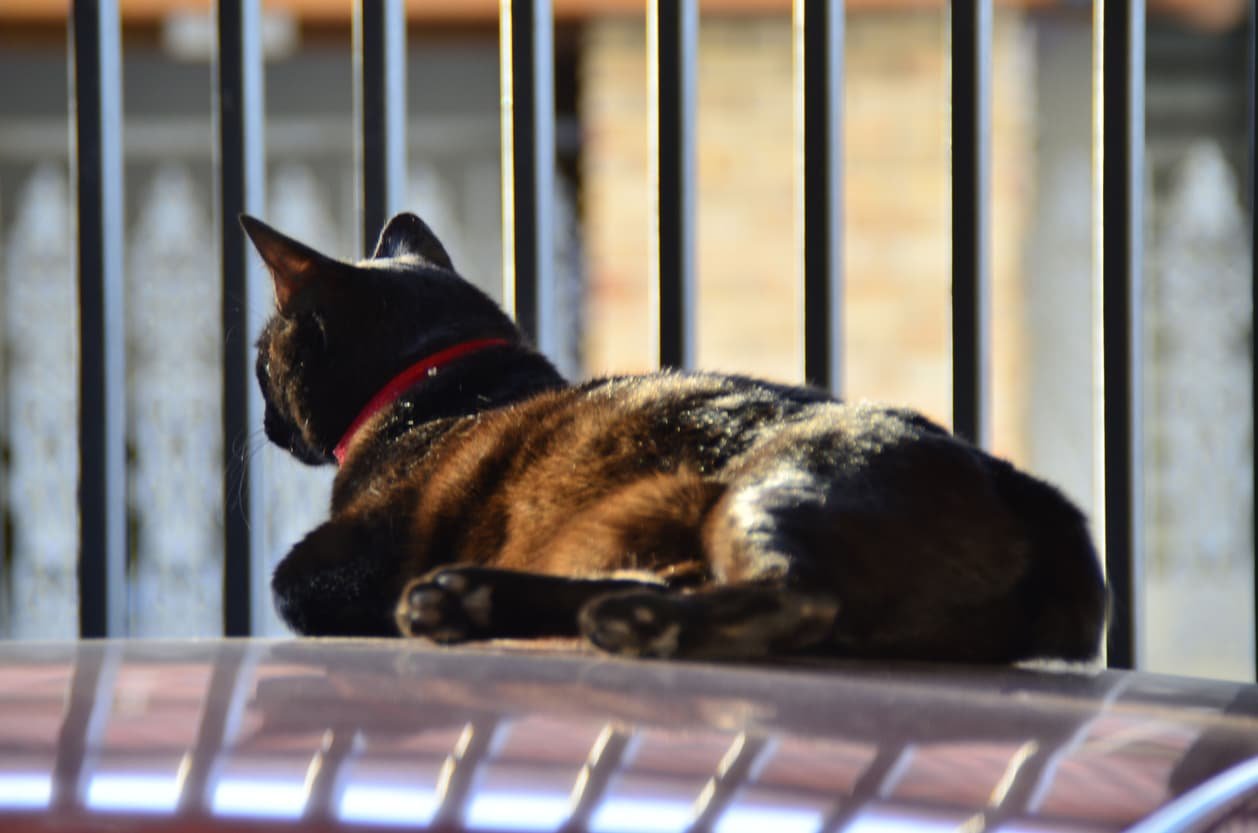
The Highlander cat stands out as one of the most distinctive domestic cat breeds. Cat lovers recognize this breed for its curled ears, muscular body, and playful personality. Breeders developed the Highlander cat to combine the appearance of a wild cat with the temperament of a friendly companion animal. Today, many families choose this breed because it shows intelligence, curiosity, and strong social behavior.
People searching for Highlander cat characteristics, Highlander cat personality, and Highlander cat price often want a cat that looks exotic but behaves gently at home. The Highlander breed offers exactly that balance.
This guide explains the origin, physical traits, personality, grooming needs, and care requirements of the Highlander cat breed.
Table of Contents
ToggleWhat Is a Highlander Cat?
The Highlander cat is a relatively modern domestic cat breed that breeders developed in the early 2000s. Breeders created this cat by crossing Desert Lynx lines with Jungle Curl cats. Their goal focused on producing a cat with wild-looking features but a domestic personality.
Unlike hybrid cats such as the Bengal or Savannah, the Highlander cat does not contain wild cat DNA. The breed remains fully domestic.
Key facts about the Highlander cat breed include:
Medium to large muscular body
Curled ears
Short tail or bobtail
Large expressive eyes
Extremely active personality
Cat enthusiasts often search for Highlander cat breed information because the breed looks similar to a lynx or wildcat but behaves like a playful house cat.
7 Unique Traits of the Highlander Cat
The Highlander cat displays several physical and behavioral traits that make it stand out among domestic cat breeds.
1. Curled Ears
The curled ears create the most recognizable feature of the Highlander cat. These ears curl backward slightly, giving the cat an alert and curious expression.
2. Muscular Body
The Highlander cat has a powerful and athletic body. Most adults weigh between 10 and 20 pounds, which places them among medium-to-large cat breeds.
3. Short Tail
Many Highlander cats have a natural bobtail. Some cats have tails only a few inches long, while others may have slightly longer tails.
4. Wild Appearance
Many owners love the wildcat appearance of the Highlander cat. The breed often shows spotted, marbled, or tabby coat patterns.
5. Dog-Like Personality
The Highlander cat behaves differently from many traditional cat breeds. Many owners report that these cats follow them around the house, greet visitors, and even learn tricks.
6. High Intelligence
Highlander cats learn quickly. Owners often teach them commands, puzzle toys, and interactive games.
7. Strong Social Behavior
The Highlander cat thrives in environments where people interact with it frequently. This breed dislikes long periods of isolation.
Highlander Cat Personality
The Highlander cat personality makes the breed popular among families and active households.
This breed shows:
High energy levels
Curiosity about surroundings
Strong bonding with owners
Playful behavior well into adulthood
Many owners describe the Highlander cat as a dog-like cat breed because it enjoys interaction and attention.
Children and other pets usually get along well with Highlander cats. Their friendly nature allows them to adapt easily to multi-pet homes.
However, this breed requires stimulation. Without toys, climbing structures, and regular playtime, Highlander cats may become bored.
Highlander Cat Breed Information Table
The Highlander cat breed combines strength and agility. Breeders aimed to create a cat that resembles a miniature wildcat while maintaining domestic behavior.
Typical physical characteristics include:
| Feature | Description |
|---|---|
| Breed Origin | Developed in the United States in the early 2000s by crossing Desert Lynx lines with Jungle Curl cats to create a wild-looking domestic breed |
| Size | Medium to large-sized, muscular, and athletic body structure |
| Weight | Males: 12–20 lbs, Females: 10–15 lbs |
| Lifespan | 12–15 years with proper nutrition and veterinary care |
| Coat Type | Short to medium-length coat that feels dense and soft |
| Coat Colors | Tabby, spotted, marbled, and solid patterns in many color variations |
| Eye Color | Gold, green, copper, or amber; large and expressive |
| Temperament | Playful, social, intelligent, and curious; strongly bonds with owners |
| Grooming Needs | Low to moderate; weekly brushing keeps the coat healthy |
| Activity Level | High; Highlander cats enjoy climbing, interactive toys, and active play |
| Health Concerns | Generally healthy breed, but responsible breeding and regular vet care remain important |
| Best For | Active households, families with children, and owners who want an interactive and playful companion |
Highlander Cat Care and Grooming
The Highlander cat care routine remains simple compared to many long-haired breeds.
Owners should focus on four main areas:
Grooming
Brush the coat once per week. This practice removes loose hair and maintains coat health.
Exercise
Highlander cats need daily playtime. Interactive toys, climbing towers, and puzzle feeders keep them mentally stimulated.
Diet
Feed a high-quality protein-based diet. Active breeds such as the Highlander cat burn energy quickly.
Health Monitoring
Schedule routine veterinary visits. Responsible breeders maintain healthy bloodlines, but regular checkups protect long-term health.
Is the Highlander Cat a Good Pet?
The Highlander cat fits well into homes that enjoy active and social pets.
This breed suits people who want:
A playful companion
A unique looking cat
A highly interactive pet
A cat that enjoys human attention
Owners who prefer quiet or independent cats may find the Highlander too energetic.
However, many cat enthusiasts consider the Highlander one of the most entertaining and affectionate cat breeds.
FAQ About Highlander Cats
The Highlander cat is a relatively modern domestic cat breed developed in the early 2000s. The breed is recognized as an experimental breed by the International Cat Association (TICA), one of the largest cat registries in the world.
Yes. Highlander cats make excellent pets because they show intelligence, affection, and strong social behavior. Families and active households usually enjoy this breed.
Most Highlander cats weigh between 10 and 20 pounds. Males usually grow larger than females.
No. Highlander cats shed moderately. Weekly brushing keeps the coat healthy and reduces loose hair.
No, the Highlander cat does not require complicated care. Owners should provide regular playtime, a high-quality diet, and routine veterinary checkups. Weekly brushing keeps the coat healthy, while climbing trees and interactive toys help the Highlander cat stay active and mentally stimulated.